
Global
this blog, from Doreen Naiga,
Y-ACT Youth Steering Committee, established at Amref Health Africa
ambassador for the Sublime project
has been written for SUBLIME SDGs and ICLEI Europe
from Belem COP30
[…] When I entered the Blue Zone, the energy was different. There was a collective acknowledgment that the world was running out of time and that incremental progress was not enough. In stark terms, incrementalism means that vulnerable communities continue to suffer, because every year of delay exposes more families to preventable health crises and environmental disasters. For example, the World Health Organization reports that an estimated 150,000 heat related deaths occur annually due to delayed climate action, turning an abstract warning into undeniable evidence of the cost of inaction. Despite the backdrop of global conflicts, funding cuts, and diplomatic tensions, 193 countries had shown up with hope and determination to keep the multilateral spirit alive. Youth, once relegated to the fringes of these events, were now present at every stage, leading side events, intervening in plenaries, and most importantly, holding negotiators accountable to the realities we face every day.
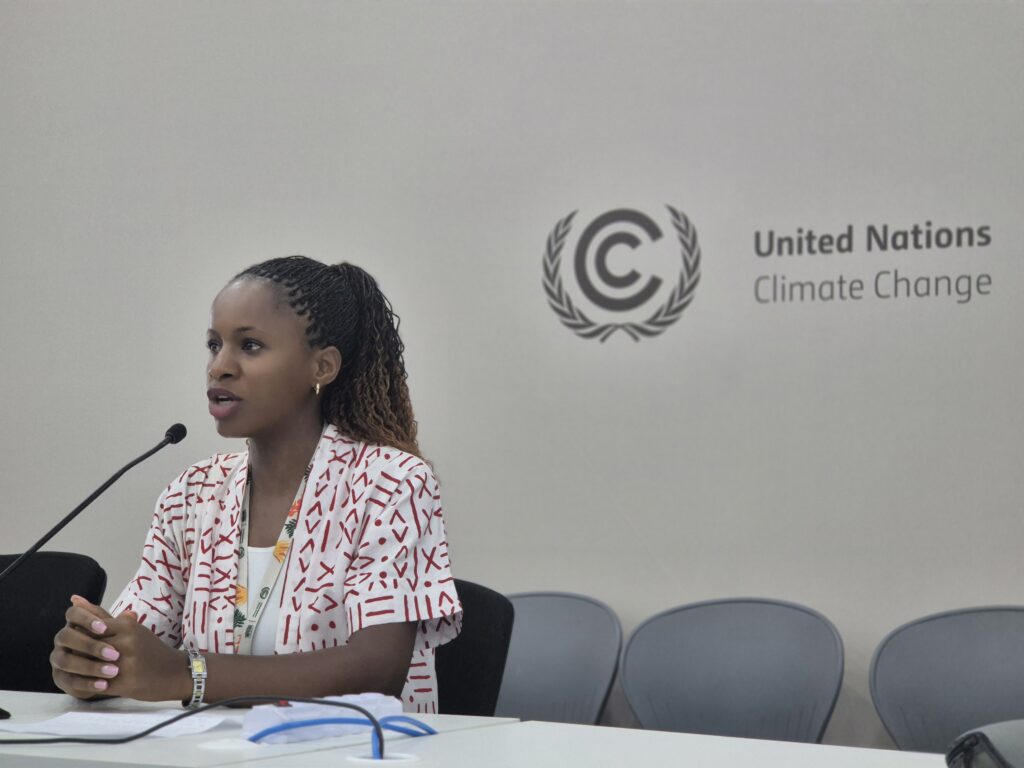
The scale of COP is always enormous, but this year it felt especially charged. Over 35,000 delegates, negotiators, observers, activists, and journalists had converged, each bringing with them the weight of their communities, their countries, and their causes. What made this COP different was not just the Amazonian setting, but the palpable rise of youth power, the centering of health as a climate issue, and the growing insistence that indigenous wisdom and leadership must guide global solutions. Despite the vast scale, each decision made at this conference has a ripple effect that can start at your doorstep. Whether it’s advocating for local environmental policy changes or supporting sustainable community projects, you can translate the global dialogue into impactful actions right in your neighbourhood.
One of the most powerful moments early on was witnessing indigenous youth leaders take the main stage, not as guests but as hosts. Their presence was a reminder that the Amazon is not just a carbon sink to be saved for the world, but a living, breathing home, ‘our sacred ground,’ as one leader described it. The Amazon is under siege, yet fiercely defended by those who know it best. In their testimonies, I heard echoes of my own community’s struggles evidenced by unpredictable weather patterns, waterborne diseases on the rise, children missing school due to floods or heatwaves. But I also saw something more, a spirit of resistance and adaptation that refuses to be extinguished.
During session, a young indigenous woman from Pará spoke of her people’s relationship with the forest. She described not just the loss of trees, but the loss of medicines, stories, and ways of life. […] To honor her testimony and turn empathy into action, it is crucial to push for dedicated policy measures that protect biocultural knowledge, such as establishing specific funding streams for the preservation and revitalization of indigenous medicinal practices and traditional ecological wisdom.
Health was everywhere at COP 30, but not in the abstract. The World Health Organization’s Health Pavilion became a second home for me and many others, a space where the latest science on climate and health was presented alongside lived experience and local knowledge. One morning, I listened to a story that has stayed with me. It was of a mother from a smog choked city describing her young son’s struggle with asthma, how he clings to his inhaler as he battles to breathe. Her story was emblematic of the countless children facing similar health crises, a personal narrative that brought the data to life. Each day, I met young leaders from every continent sharing their stories of how climate change is already reshaping health, families facing malaria in new regions, mental health crises after cyclones and droughts. These were not just anecdotes, but urgent calls to action backed by the latest research: The Lancet Countdown’s 2024 report warned that heat related deaths among the elderly have soared by 68% since 2000, and climate driven malnutrition, vector borne diseases, and displacement are set to cause 250,000 additional deaths per year between 2030 and 2050.
But the work at COP 30 was not only technical, but also emotional and political. One afternoon, a fire broke out in the Blue Zone, causing fear and confusion as thousands of people were quickly evacuated. We all stood together under the gray Amazon sky, not knowing what would happen next. The quick evacuation showed how fast climate disruptions can change our lives and how important it is to act together. In that moment, I saw people helping each other, sharing water, and offering comfort. It was a clear reminder that we need community and cooperation to face urgent challenges.
Reflecting on my experience at COP 30, it is clear that the summit was more than a gathering of delegates and negotiators. It was a convergence of history, ambition, and, at times, deep frustration. This year, COP 30 was especially significant as it marked the tenth anniversary of the Paris Agreement, the historic accord meant to keep global warming below 1.5°C.
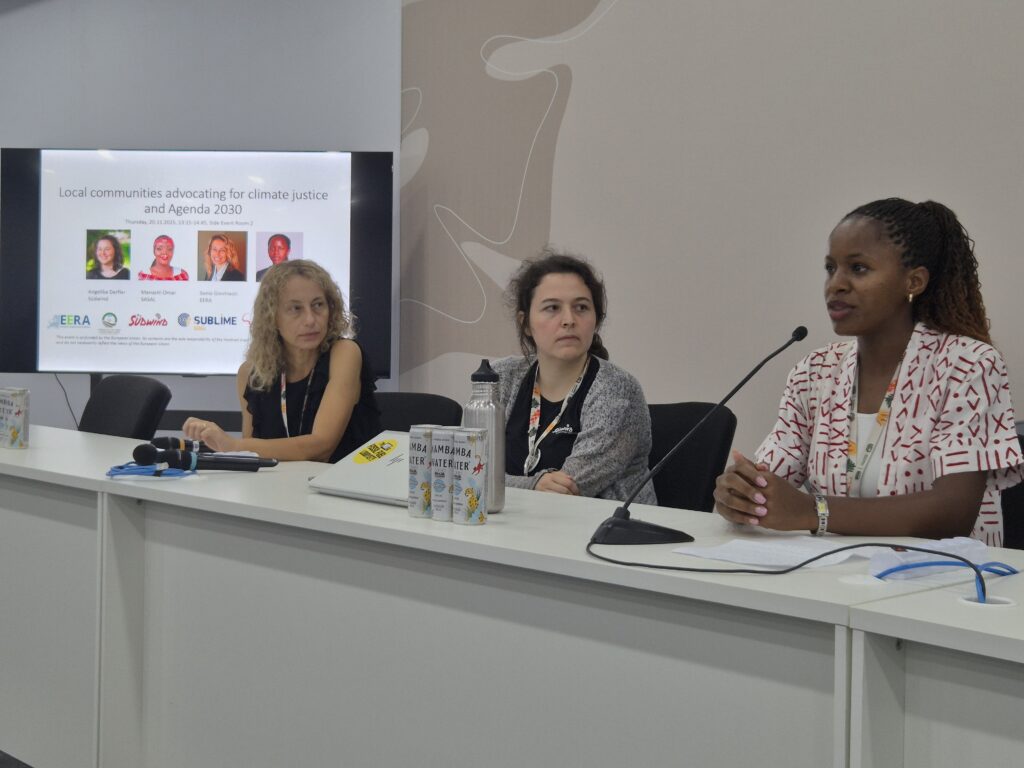
The package of voluntary measures, called the “Global Mutirão” Portuguese for collective effort, nixed any mention of fossil fuels and failed to include a deforestation roadmap backed by over 90 nations, exposing deep fractures in global climate diplomacy. More than half of the nearly 200 nations opposed even non-binding language on oil, gas, and coal phase out, despite scientific projections showing the world remains on track for 2.6 to 2.8°C of warming. The outcome text was, in many ways, emblematic of the UN’s consensus based process which is the careful language, incremental steps, and a persistent reluctance to hold the largest emitters truly accountable.
In the closing days, more than 80 countries, led by the UK and EU, supported a COP commitment to develop a “fossil fuel roadmap” and referenced a “fossil fuel transition” in the outcome document. This coalition, however, represented just 7% of global fossil fuel production. The powerful bloc of major oil producing nations, led by Saudi Arabia and Russia, threatened to collapse negotiations if fossil fuels were mentioned. Over 100 nations declined to support the roadmaps pushed by Brazil’s COP30 Presidency. Brazil will now lead the development of these roadmaps outside the formal process, with a “First International Conference for the Phase out of Fossil Fuels” set for April 2026 in Colombia. Notably, the US did not participate for the first time, and China declined to fill the leadership vacuum, instead joining the majority in opposition.
[…]
On the health front, COP30 achieved several incremental victories. The outcome text included the first direct acknowledgement of the health benefits of mitigating emissions, while the Belém Health Action Plan, endorsed by about 10% of nations outlined best practices for adapting health systems. The plan invited nations to report health adaptation progress in their Global Stocktake submissions, integrating health into climate progress reporting for the first time. However, there was no government financial support, and the finance gap remains vast, with current flows far below the estimated needs.
[…]
With no binding commitments and passive language, the COP30 outcome represents the bare minimum of global agreement. Yet, as UN Secretary General António Guterres said, “multilateralism is alive,” and the shift to renewables and resilience is “unstoppable.” COP31 in Turkey will test whether the world can move beyond words and voluntary plans to deliver real progress on the promises made since Paris.
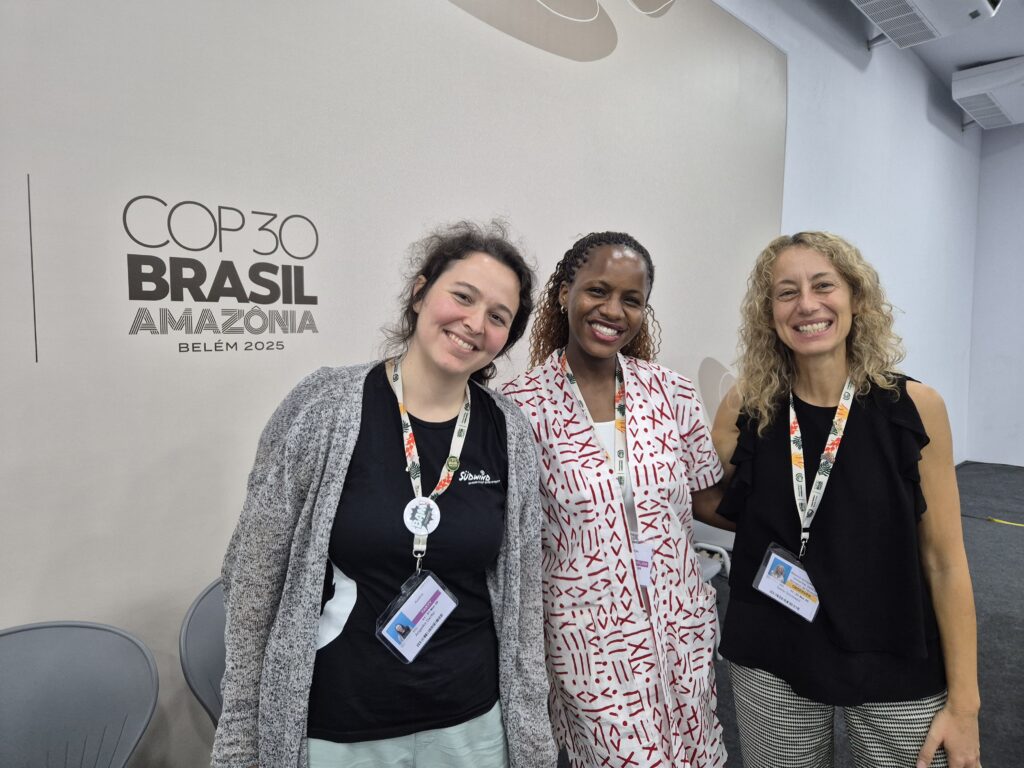
In the end, COP 30 taught me how connected we all are to each other, to the planet, and across generations. The shared worry during the fire evacuation showed just how much we depend on collective action to face the climate crisis. Looking back, I believe more than ever that youth are not just the future. We are the present, and our time is now. I encourage you to consider which part of our shared future you will take on today. Let this be a starting point for action, not just reflection. As a first step, consider joining a local climate health project, like planting trees or supporting clean air policies. Acting now will help your community and add to the global effort. Together, we can turn our commitment into real change.