Global
Mostar watches the Neretva anxiously, the river that has long shaped its history, as torrential rains continue to swell its waters. This long winter makes the city in Bosnia and Herzegovina even more beautiful, free from the crowds of tourists who—thirty years after the conflict of the 1990s—fill its streets each summer.
From 9 to 13 February 2026, partners of the Sublime SDGs project carried out a field study visit to Mostar, Široki Brijeg, and Jablanica. The focus of the visit was Goal 5 of the United Nations 2030 Agenda: achieving gender equality and empowering all women and girls by eliminating violence and discrimination, ending harmful practices such as forced marriage, and ensuring equal participation in political, economic, and public life.
The delegation’s first meeting, in Mostar, is with the staff of LDA Mostar, who will host this field visit, designed to engage with a dynamic and active female civil society in a context that, even after 30 years and many efforts, still faces the social, economic, and political difficulties of a post-war scenario.
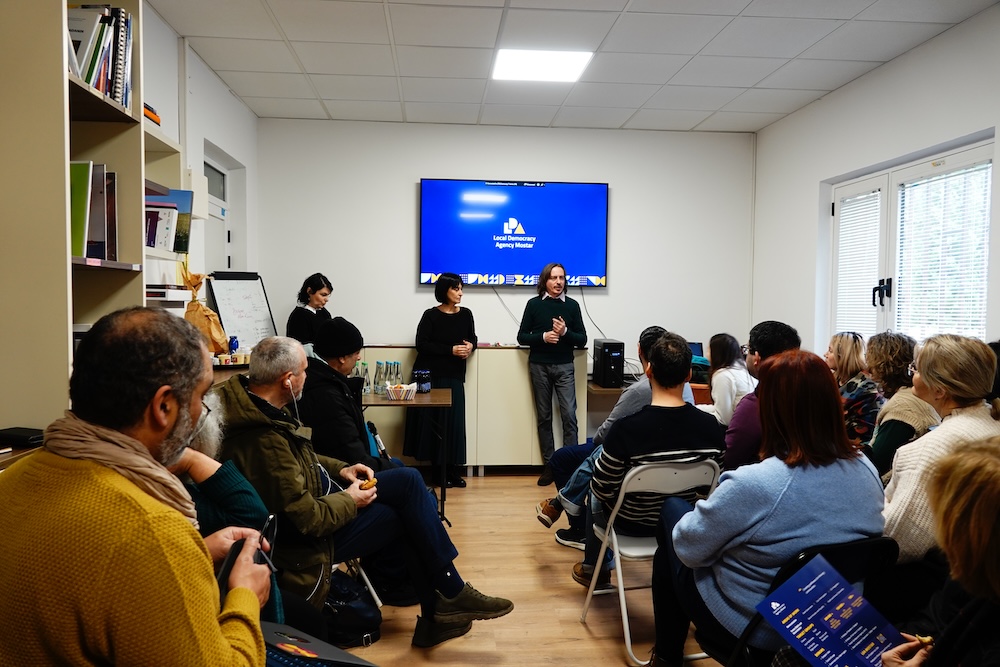
LDA was founded online with other organizations in the 1990s to become a recognized and sustainable center for local democracy, actively supporting communities through collaboration, innovation, and the development of new initiatives. It is a resource center for local democracy that provides knowledge, tools, and support to all stakeholders, with the aim of promoting a democratic and inclusive society, working to establish constant connections between civil society, NGOs, and local and international institutions.
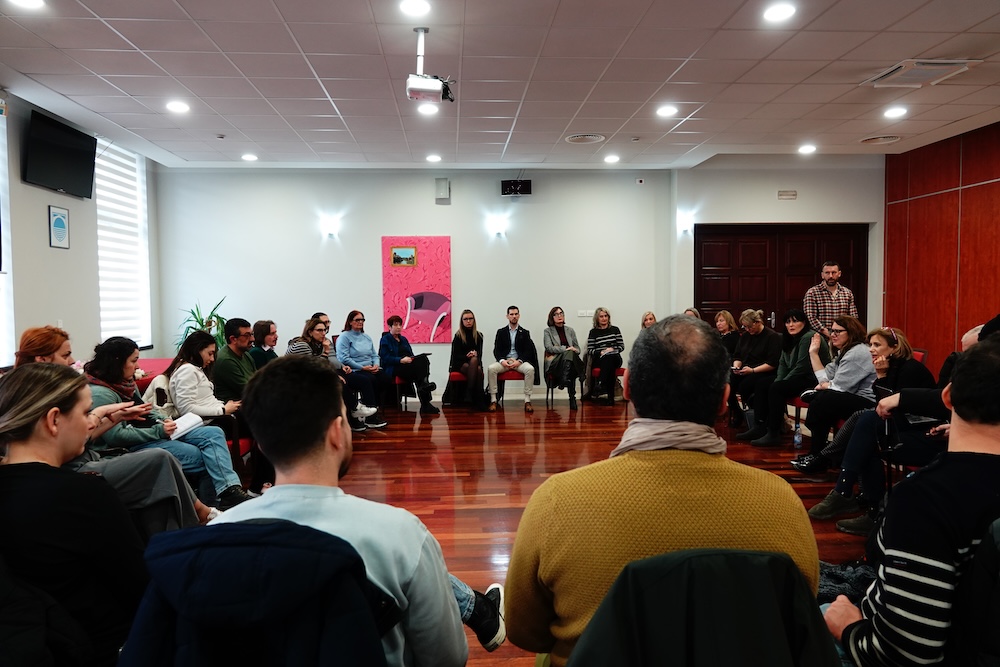
The series of meetings in Mostar enabled the delegation to engage with female representatives from the municipal administration and with the association Novi Put, which has long supported women in vulnerable situations. The exchange between local actors and international partners centred on women’s empowerment and cooperation between institutions and civil society, creating space for the sharing of practices and approaches.
In the afternoon, guided by Slađana Serdarević, the delegation took part in the Women Invisible Tour—a walk through symbolic places across the city, rich in history and memory, connected to women who have made a unique contribution to Mostar’s life in both prosperous and difficult times, yet are often absent from official narratives.
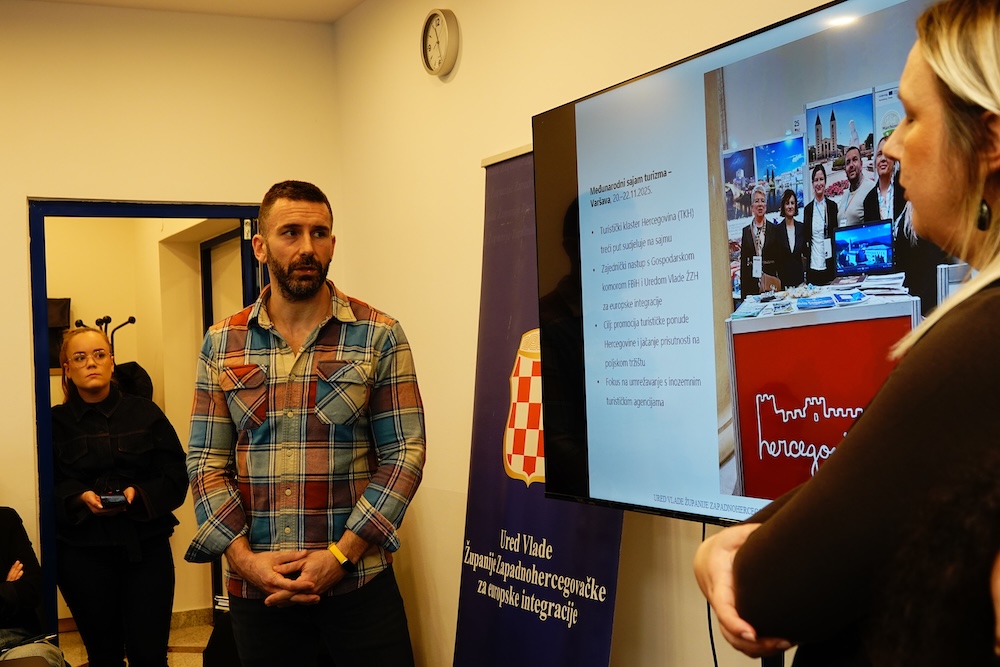
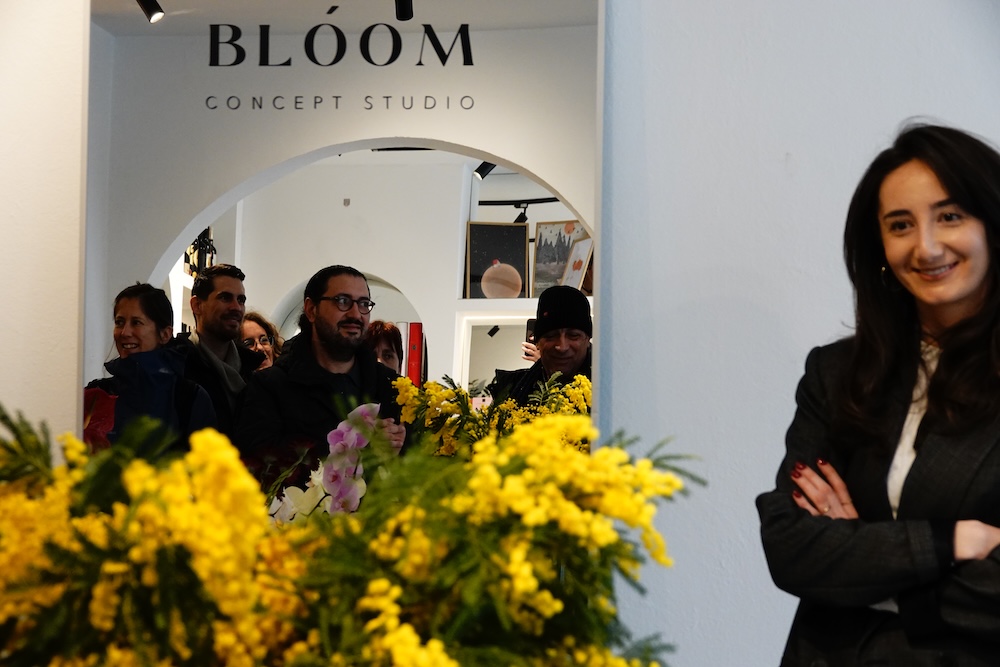
On the second day, the group travelled to Široki Brijeg, where they met with staff from the Office for European Integration of the Government of West Herzegovina Canton, followed by meetings with two beneficiaries of economic grants supporting women-led businesses. A hair salon and an event concept store—established thanks to non-repayable financial support—now provide opportunities for economic independence and personal growth in an area where women often face barriers to employment and limited access to credit.
The final day was dedicated to Jablanica, a town severely affected by recent flooding—a reminder that sustainable development is an interconnected ecosystem in which climate change and women’s empowerment are closely linked.
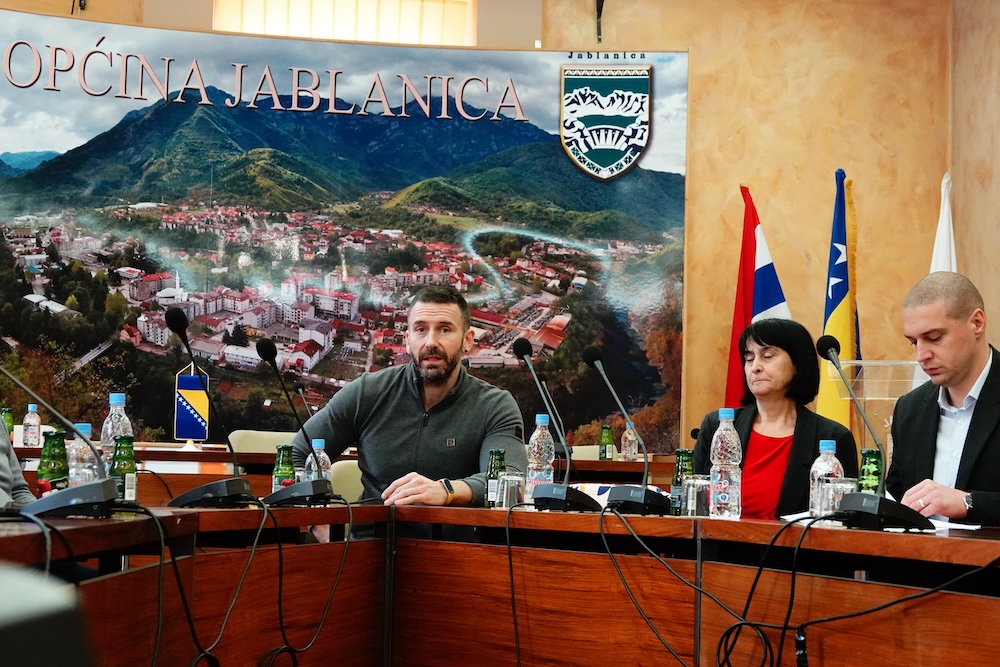
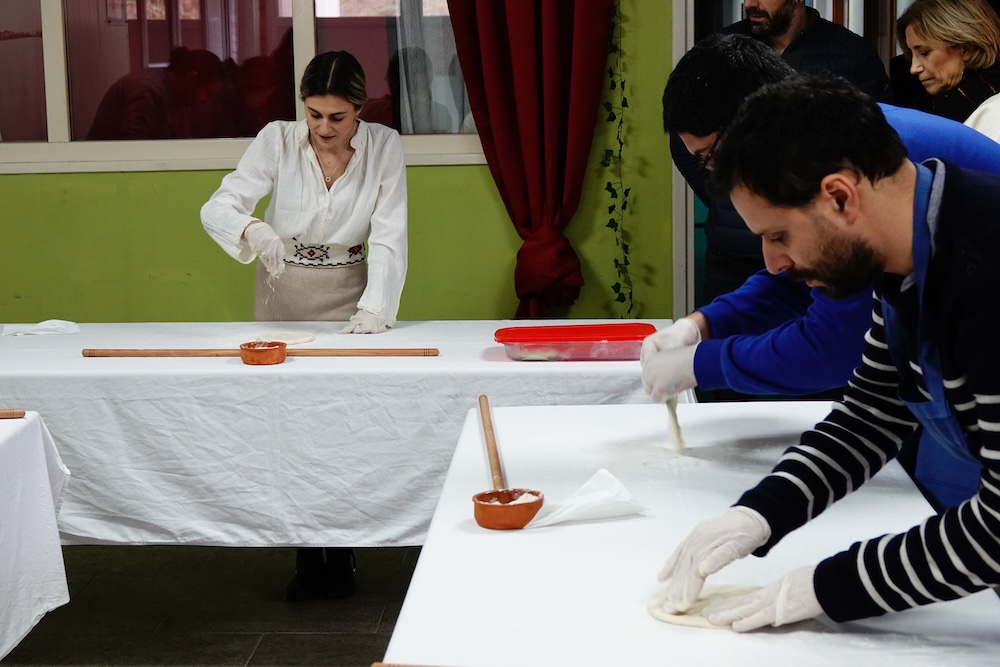
After meeting with representatives of the city council and local associations, the delegation reflected on the floods’ impact on the city’s women. Together with the women of MOST, who engaged participants in cooking and sustainable weaving workshops, the group shared moments of learning and discussion, recognising how women have carried forward the resilience and renewal of their community.