Global
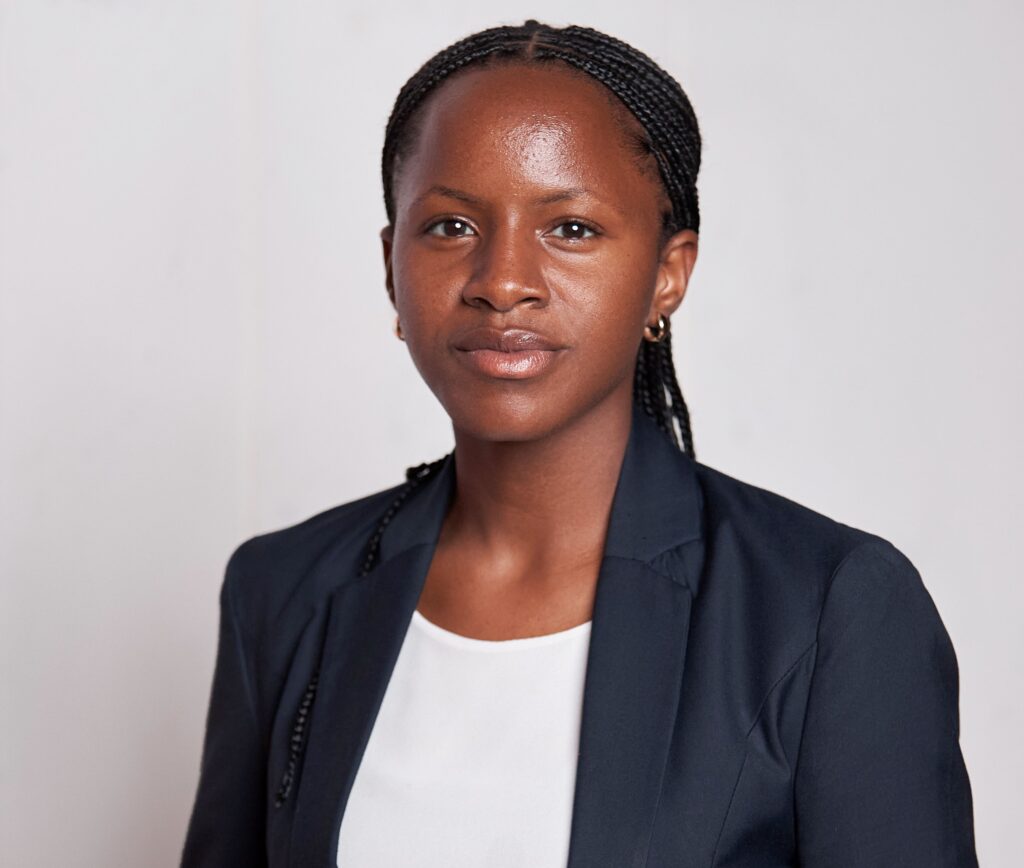
By Doreen Naiga
Gender entered climate negotiations late and by decision rather than by treaty. The 1992 UNFCCC and the 1997 Kyoto Protocol contain no gender provisions, even though the Rio Declaration adopted at the same Earth Summit had recognised that women have a vital role in environmental management and the 1995 Beijing Platform for Action had named women and the environment as a critical area, with objectives to involve women in environmental decision-making, to integrate gender into sustainable development policies and to assess the impact of environmental policies on women. The first opening came through representation. Decision 36/CP.7 at COP 7 in Marrakech in 2001 invited Parties to nominate women to elective posts and asked the secretariat to track the gender composition of bodies, COP 16 in Cancún in 2010 recognised that gender equality and the effective participation of women are important for all aspects of climate action, and decision 23/CP.18 at COP 18 in Doha in 2012 set a goal of gender balance in the bodies of the Convention and made gender a standing agenda item. Women’s organisations formed the Women and Gender Constituency, which became a permanent presence in the negotiating rooms, and the Green Climate Fund was established with a commitment to a gender-sensitive approach. These early steps counted women in the room but did not yet ask what the room decided.
By clicking here, you can read Naiga Doreen’s paper.
DOREEN NAIGA
Doreen Naiga is an emerging global health and climate policy expert whose work sits at the intersection of law, public health, and environmental governance. With a strong foundation in legal training and health policy, she has led and contributed to high-impact initiatives shaping climate-resilient health systems across Africa. As a Programme Officer for Climate, Health and Advocacy at Regenerate Africa and the SUBLIME SDGs’ Youth Ambassador under Amref Health in Italia, she has driven policy dialogue and youth engagement advocacy on climate and health, influencing communities and continental platforms alike.
Doreen’s advocacy is anchored in a growing portfolio of continental and international leadership roles. She serves as a member of the European Union Youth Sounding Board of Uganda, where she is the Thematic Lead on Climate Change and Environment, shaping youth input into EU-Uganda policy dialogue. She is also a member of Youth in Action under Amref Health Africa, and served as an African Union Bingwa under the auspices of Africa Centres for Disease Control and Prevention, advocating for COVID-19 vaccination uptake across the African continent. As Conference Director of the 2nd Africa Public Health Students’ Summit, she led the drafting of the first-ever youth position paper on climate change and health, a milestone that has since anchored youth advocacy at continental and global forums. Through these platforms, Doreen has consistently amplified the voices of African youth, carrying their priorities from local dialogues to continental and global decision-making spaces.
Beyond policy, Doreen is a committed philanthropist. She serves as the 2026 CoRSU Disability Ambassador under CoRSU Rehabilitation Hospital, championing awareness and support for disability inclusion in Uganda. Doreen has contributed to global discourse through engagements, hence advancing integrated approaches to health equity and climate action. Her policy work emphasises the interconnectedness of global systems, aligning local realities with international frameworks such as the Paris Agreement. As a recognised thought leader, she is committed to strengthening evidence-based, inclusive policies that advance sustainable and resilient health systems worldwide.